
By Cassidy Mills, Staff Writer
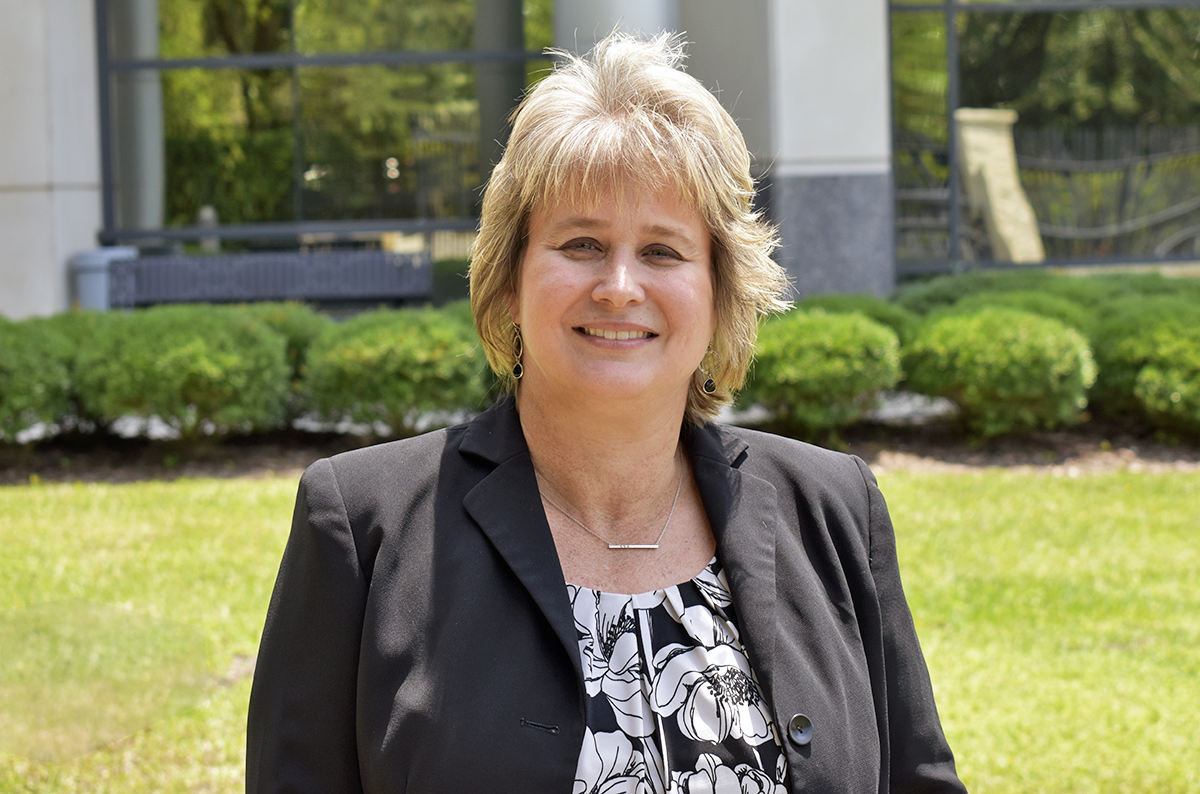
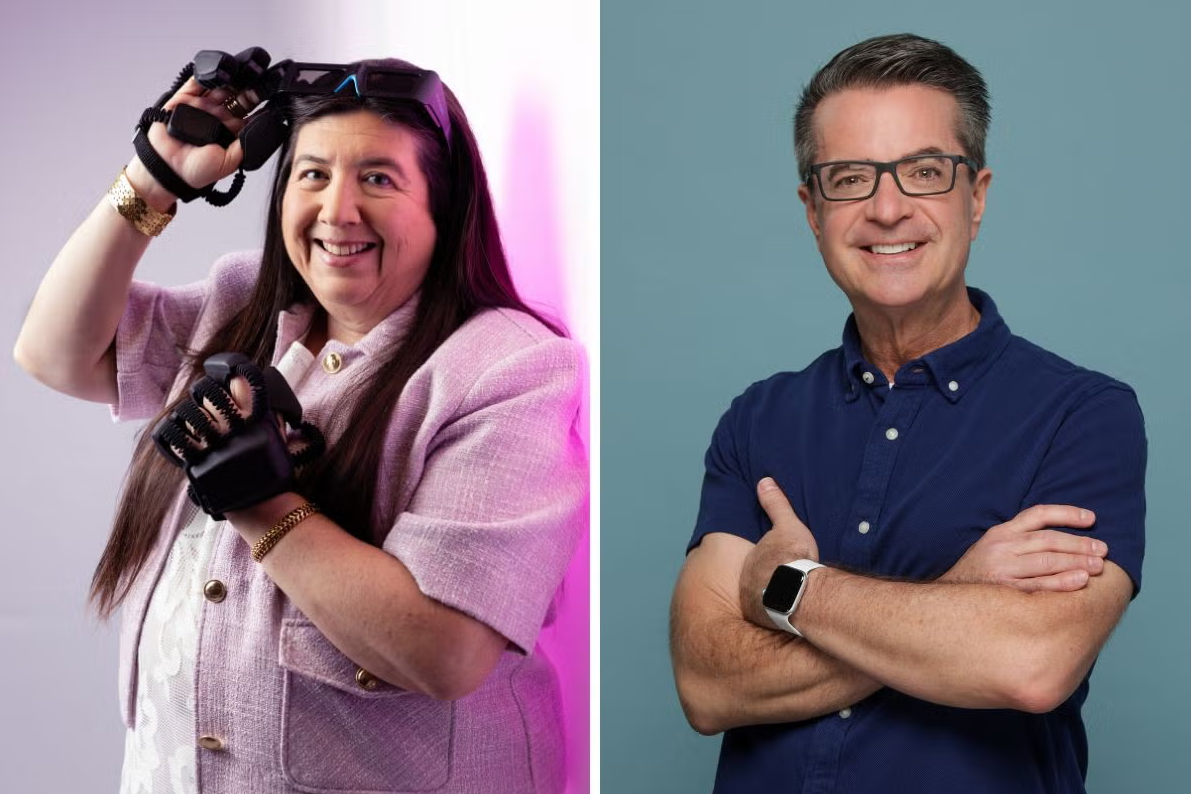
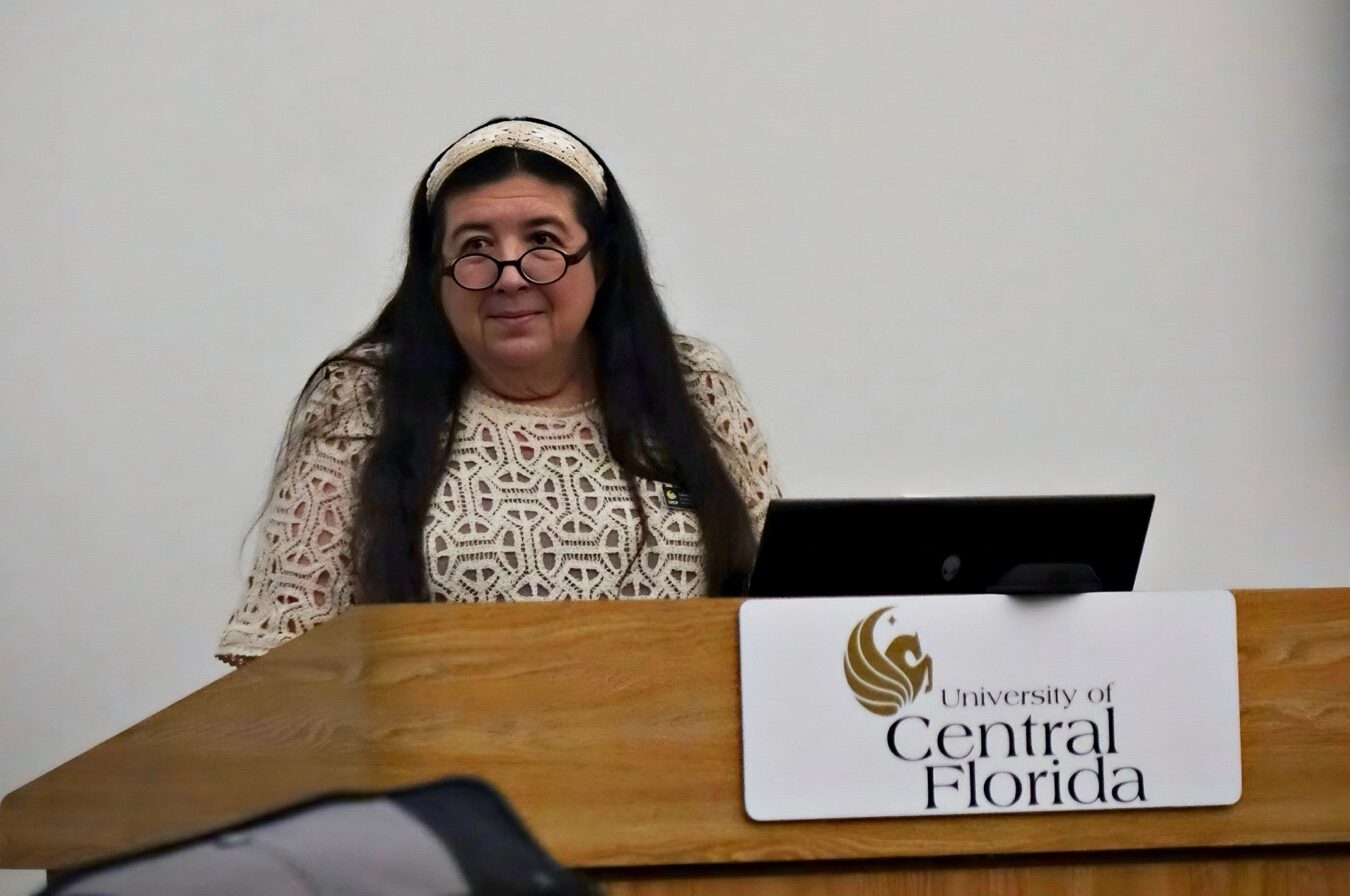
Shawn Burke, Ph.D., research professor and director of the Team Research and Adaptability in Complex Environments (TRACE) Lab at the University of Central Florida’s Institute for Simulation and Training (IST), has been named a Fellow of the Society for Industrial and Organizational Psychology (SIOP) and will be recognized at the SIOP Annual Conference in New Orleans, Louisiana, on April 29.
SIOP Fellowship is a professional distinction awarded to individuals who have made sustained contributions to the field of industrial-organizational psychology. The recognition reflects a cumulative body of work across research, application and service, as well as influence on the broader professional community.
“I’m honored to be named a SIOP Fellow,” Burke said. “This recognition reflects the collaborative efforts of the students, researchers and partners I’ve had the privilege to work with, and the importance of advancing training and decision-making in complex environments.”
Burke earned her doctorate in industrial-organizational psychology from George Mason University in 2000. Her career has focused on advancing an understanding of how teams operate and how training and leadership approaches can be designed to support performance in complex environments.
Her current research focuses on team performance in complex and high-demand environments, where she examines areas such as team leadership, adaptability, training and resilience, with an emphasis on how teams function effectively under conditions that include uncertainty, operational stress and constrained communication. These research areas have applications across defense, space exploration and other mission-critical domains.
UCF IST contributes to the broader Team Orlando community, which brings together government, military, industry and academic partners focused on modeling, simulation and training.
Burke leads the TRACE Lab at UCF IST, where research efforts are centered on understanding and improving team effectiveness. Projects within the lab often explore how teams coordinate, adapt and maintain performance over time, as well as how these behaviors can be measured and supported through training. Her work frequently integrates both experimental and applied approaches to better understand team dynamics in realistic operational contexts.
She has published more than 90 journal articles and book chapters and has contributed to over 200 peer-reviewed conference presentations. Her research has been supported by a range of federal agencies, including the U.S. Army Research Institute, Army Research Laboratory, Office of Naval Research, Army Research Office, National Science Foundation, Gulf Oil Research Program and NASA.
Her recent research has included studies of team leadership, roles and cultural factors in isolated and confined environments associated with long-duration space missions. Supported in part by NASA, this work aims to better understand and support resilience and sustained team performance in these settings.
Recent Articles

Be Informed
Stay Connected
By signing up, you consent to receive emails from us. Your information will be kept confidential and will not be shared with third parties.